

What to Look for in a Women's Clothing Boutique Mount Austin JB
2026-10-13 · J.VOGUE · 9 min read
Also in: 中文·Bahasa Melayu
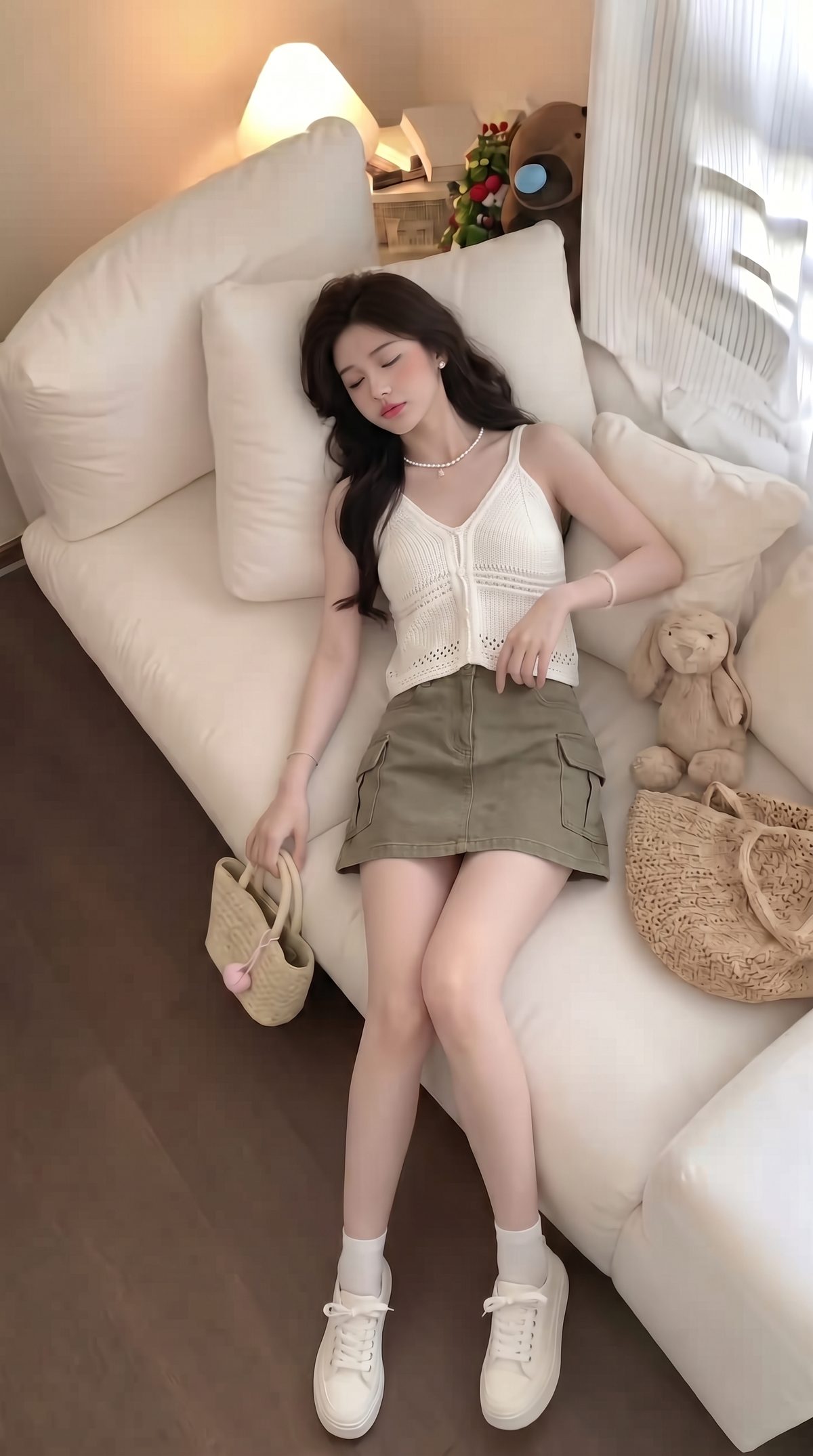
Walking into a women's clothing boutique Mount Austin JB isn’t just about grabbing another piece of fast fashion. It’s about finding clothes that actually survive our humidity, commute to the office, and don’t need constant ironing before eight in the morning. If you have been shopping purely online or settling for whatever drops at the mega mall, you already know the frustration. Clothes look sharp on screen but feel stiff on your skin, the sizing runs completely unpredictable, and the seams give out after two washes. I’ve been curating pieces for local shoppers at J.VOGUE for years, and the biggest shift I’ve noticed isn’t about chasing viral trends. It’s about intention. You do not need more clothes. You need fewer pieces that work harder for you. Here is how to shop smarter, skip the disappointment, and actually build a wardrobe that matches your daily routine in Johor.
## Why Fabric Choice Matters More Than You Think in Johor's Heat Let’s be honest. Our weather does not negotiate. A heavy polyester blend might look sleek under relentless air conditioning, but step outside for lunch or a quick coffee run, and it turns into a sweat trap. When you’re browsing racks, flip the care label first. Look for breathable natural fibers or smart engineered blends. Linen and cotton will always outperform thick synthetics in our climate, but a well-woven cotton-rayon mix gives you that fluid drape without turning into a wrinkled mess by noon. At J.VOGUE, we filter our incoming shipments specifically for weight and breathability. If a piece feels plasticky or traps heat when you hold it against your forearm, leave it. Check the stitch density, too. Tighter weaves mean less transparency, better shape retention, and fabrics that won’t thin out after a few machine cycles. Do not fall for “silky smooth” tags that are actually just chemically coated polyester. That artificial shine washes out in a month. Real quality lives in how the fabric breathes, moves, and ages after half a year of regular wear.
## How to Spot a Well-Made Piece Without Guesswork You do not need to be a pattern maker to separate a lasting staple from a three-wear throwaway. Run your fingers along the side seams. If the thread pulls loose, puckers, or sits unevenly, it will not survive a standard laundry bag. Check the lining on blazers or midi skirts. It should sit completely flat and not twist around your legs when you walk. Buttons should be anchored with a tight cross-stitch, never glued or threaded loosely. Zippers must glide without catching on the fabric, and the pull tabs should not feel like brittle plastic. A practical trick I always share with shoppers: hold the garment up by the hanger or shoulders and give it a firm but gentle shake. Does it collapse instantly into a limp pile, or does it hold some internal structure? The latter usually signals better internal reinforcement and a pattern that was drafted for actual body movement. We hand-select our collections with these mechanical checks because we know you are investing in longevity, not disposable aesthetics. If the details fall apart under scrutiny, the garment will fall apart under real life.
## The Real Reason Sizing Charts Fail and Why You Must Try Things On Online measurement tables lie. Or at the very least, they oversimplify reality. Two identical “medium” tags can vary by an entire size depending on the country of origin, the brand’s vanity sizing strategy, or whether the pattern was drafted for an hourglass versus a rectangular frame. That is why physical fitting is completely non-negotiable. When you pull something over your head, actually move. Sit down. Cross your legs. Raise both arms to grab a high shelf. If a top rides up every single time you reach for your bag, the armhole is cut too high. If trousers gap at the back waist but squeeze at the thighs, the rise is mismatched to your hips. Do not buy hoping you will eventually fit into it or pay a tailor to fix a fundamental pattern error. Buy what accommodates you comfortably today. Here’s a quick reference for what to watch during your fitting room visit: | Common Fitting Trap | The Smart Alternative | |---|---| | “It feels tight, but the fabric probably stretches.” | Assume zero mechanical stretch unless stated. Stick to your true size. | | “I will just throw a belt over it.” | If it needs a bandage-style fix to close, the cut is wrong for you. | | “The shoulder seams slide down my arm.” | Seams must align exactly with your shoulder bone to hang properly. | | “I’ll size down for a slimmer silhouette.” | A cleaner cut beats compression any day. Shrinkage ruins the drape. |
If you’re stuck between two sizes or unsure how a new silhouette will sit on your frame, stop guessing. The most reliable step is to see it on your actual body under real lighting. You can [drop by J.VOGUE · Austin to try them on in person](/stores/austin) and get a clear, unfiltered view of how the drape interacts with your proportions. Our fitting spaces are designed to mirror everyday lighting, not studio filters, so you leave with pieces that genuinely work for you.
Building a reliable rotation is not about buying the loudest trend every season. It’s about respecting your local climate, reading construction details, and refusing to settle for poor fit just because something catches your eye. Next time you are exploring Mount Austin, slow down the process. Touch the fabric, stress-test the seams, sit in the clothes, and prioritize comfort that does not require adjustment. Your wardrobe should serve your daily life, not complicate it. Start with intentional basics, upgrade where the cut matters most, and let proper fit do the heavy lifting.